Dividend:
How One Little Dividend Changed
The Way I Think About Money
What Exactly Is A Dividend?
At its core, a dividend is a portion of a company’s profits that gets distributed to its shareholders. Think of it as a “thank you” for trusting the business with your money. Not every company pays one, but those that do typically send these profit-sharing payments on a regular schedule—often quarterly. You might see the phrase cash dividend used to describe the most common form, though some companies offer stock dividends, where you get extra shares instead of cash.
When I first grasped that a dividend is essentially a slice of corporate earnings landing in your pocket, investing stopped feeling like a distant, abstract game and started feeling like planting a garden that could feed me for years.
You might see the phrase cash dividend used to describe the most common form, though some companies offer stock dividends, where you get extra shares instead of cash.
When I first grasped that a dividend is essentially a slice of corporate earnings landing in your pocket, investing stopped feeling like a distant, abstract game and started feeling like planting a garden that could feed me for years.
How Dividend Payments Work: Key Dates You Need to Know
Understanding the rhythm behind a dividend is where the magic becomes practical. There are four dates that pop up in every dividend investor’s calendar, and once you know them, you’ll feel like you’ve unlocked a secret level.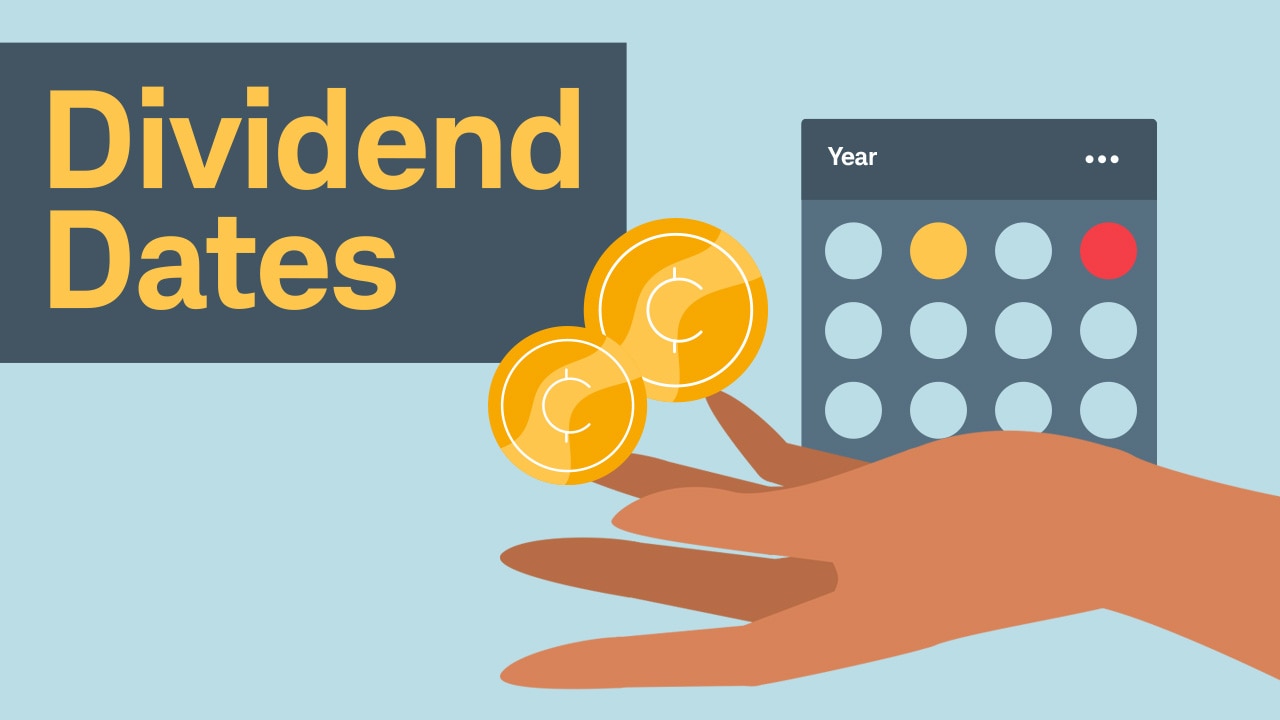 The first is the declaration date, the day the company’s board announces they’re paying a dividend.
They’ll state how much per share and when the other dates fall.
Next comes the ex-dividend date, and this one is critical.
If you want to receive the upcoming dividend payment, you must own the stock before the ex-dividend date.
Buy on the ex-dividend date or after, and the payout goes to the previous owner.
The record date is the moment the company checks its list of shareholders to see who’s getting paid, and finally, the payment date is when the cash actually hits your account.
I remember missing my first dividend by one day because I didn’t understand the ex-dividend date rule. I’d bought the stock, felt proud of myself, and then waited for a payment that never came that quarter.
The lesson stung, but it cemented the importance of those dates forever.
When you’re building an income stream around the dividend, timing is everything, and respecting the process means you never leave money on the table.
The first is the declaration date, the day the company’s board announces they’re paying a dividend.
They’ll state how much per share and when the other dates fall.
Next comes the ex-dividend date, and this one is critical.
If you want to receive the upcoming dividend payment, you must own the stock before the ex-dividend date.
Buy on the ex-dividend date or after, and the payout goes to the previous owner.
The record date is the moment the company checks its list of shareholders to see who’s getting paid, and finally, the payment date is when the cash actually hits your account.
I remember missing my first dividend by one day because I didn’t understand the ex-dividend date rule. I’d bought the stock, felt proud of myself, and then waited for a payment that never came that quarter.
The lesson stung, but it cemented the importance of those dates forever.
When you’re building an income stream around the dividend, timing is everything, and respecting the process means you never leave money on the table.
Why I Fell In Love With Dividend Investing
Dividend investing isn’t the flashiest strategy. It won’t give you the adrenaline rush of a meme stock rocketing 1,000% in a week, and it definitely won’t dominate social media with rocket emojis. What it offers is something far more valuable to me: steady, predictable growth that compounds while I focus on living my life. I started viewing each dividend payment as a tiny employee whose only job was to earn more money for me. I’d reinvest those payments to buy additional shares, which then generated their own dividends. It’s a quiet snowball that grows louder over time. The real beauty is that a dividend arriving in your account doesn’t require you to sell anything. You’re not timing the market, panicking over downturns, or cashing out your principal. You’re simply collecting a share of real profits from a company that continues to operate and, hopefully, thrive.Understanding Dividend Yield: The Number That Matters
If the dividend itself is the paycheck, the dividend yield is the hiring bonus that tells you how much value you’re getting for your investment pound. Dividend yield is calculated by taking the annual dividend per share and dividing it by the stock’s current price. A £100 stock paying £4 per year in dividends has a 4% yield.
That percentage helps you compare income potential across different stocks, but here’s where I urge caution: an unusually high yield can be a red flag, not a gift.
I’ve watched friends chase double-digit yields only to see the stock price collapse, erasing any income they collected.
A sustainable dividend yield comes from a company with healthy earnings, manageable debt, and a payout ratio that doesn’t scream desperation.
The payout ratio—the percentage of earnings a company pays out as dividends—tells you if the payment is safe. I generally look for a payout ratio below 60% for established companies.
It means they’re sharing profits generously while keeping enough cash to reinvest in growth. A dividend tethered to a sensible payout ratio has staying power, and that durability is what builds wealth over decades, not days.
A £100 stock paying £4 per year in dividends has a 4% yield.
That percentage helps you compare income potential across different stocks, but here’s where I urge caution: an unusually high yield can be a red flag, not a gift.
I’ve watched friends chase double-digit yields only to see the stock price collapse, erasing any income they collected.
A sustainable dividend yield comes from a company with healthy earnings, manageable debt, and a payout ratio that doesn’t scream desperation.
The payout ratio—the percentage of earnings a company pays out as dividends—tells you if the payment is safe. I generally look for a payout ratio below 60% for established companies.
It means they’re sharing profits generously while keeping enough cash to reinvest in growth. A dividend tethered to a sensible payout ratio has staying power, and that durability is what builds wealth over decades, not days.
Dividend Aristocrats: The Companies That Keep Giving
Once you dive into the world of dividend income, you’ll hear the term Dividend Aristocrats whispered with almost reverent respect. These are FTSE 100 companies that have not only paid a dividend but have increased their payout every year for at least 25 consecutive years. This isn’t just a fancy label; it’s proof of resilience, discipline, and a corporate culture that prioritizes returning value to shareholders. When I built the core of my portfolio, I leaned heavily into these steady giants. A company that can raise its dividend through recessions and tech disruptions is one I’m proud to own. Every annual increase means your effective yield on the original investment climbs higher, acting as a built-in raise that fights inflation. Checking the lists of recent Dividend Aristocrat additions feels like reading the guest list for an exclusive club—and the best part is, anyone with a brokerage account can become a member simply by buying shares.Building A Passive Income Stream Through Dividends
One of the most liberating phrases I ever internalized was passive income, and a reliable dividend stream epitomizes that concept. Passive income means money that flows in without directly trading your time for it. While I’m with family, preaching a sermon, reading, going for a walk, or catching up with friends, my portfolio quietly distributes cash. That cash then buys more assets, which produce more dividends, in a loop that accelerates with patience. I started small, setting up a DRIP, or dividend reinvestment plan, which automatically uses each dividend payment to buy fractional shares. In the early days, the amounts felt laughably tiny... £10.40 here, £20.15 there—but I kept adding fresh capital from my side hustles, and the snowball began to feel real. Watching the number of shares I owned tick upward without any extra effort from me was deeply motivating. Over two decades now, those reinvested dividend payments have handed me a significant monthly income cushion, giving me choices about how I work and live.Common Questions About Dividends (And The Answers I Needed)
Are dividends only for retirement?Absolutely not. I started in my teens, and I’m convinced that giving a dividend more time to compound is the greatest gift a younger investor can give themselves. A dividend doesn’t ask for your age; it just delivers. The earlier you begin, the less dramatic your savings rate needs to be because time does the heavy lifting. Do all dividends get taxed the same way?
In the UK, holding your dividend-paying shares inside a Stocks and Shares ISA or a SIPP shelters them completely from tax. I’ve gradually shifted the bulk of my dividend income into an ISA wrapper for that exact reason—because watching a quarterly dividend grow untouched by the taxman is every bit as satisfying as it sounds. Always check the current allowance and your personal tax circumstances, but the principle stands: a dividend inside a tax-efficient account is one of the cleanest slices of passive income you can earn. What if a company cuts its dividend?
A dividend cut feels like a betrayal, and I’ve experienced it. It’s a signal that something is fundamentally strained in the business. I don’t panic-sell automatically, but I revisit my investment thesis with brutal honesty. A dividend cut is a clear message: the company’s ability to share profits has weakened, and I need to decide if the turnaround story is believable. My rule of thumb is to be quicker to walk away than to hope, because hope doesn’t pay bills—a sustainable dividend does.
My Simple Strategy For Choosing Dividend Stocks
Over time, I developed a mental checklist that keeps me anchored when shiny, high-yield temptations appear. First, I look at how much I'm paying for the company’s profits. That question leads me straight to the Price-to-Earnings ratio, or P/E ratio for short. The P/E ratio is simply the share price divided by the company’s earnings per share. If a company earns £1 per share over the last year and the share price is £15, the P/E ratio is 15. As a rule of thumb, I like to see mature UK dividend payers trading on a P/E somewhere between 10 and 20. Then, I look at the dividend history. Has this company maintained or grown its dividend for a decade or more? Consistency speaks volumes. Next, I examine the payout ratio, aiming for that sweet spot where profits comfortably cover the dividend without suffocating the business. I want a company that can keep paying me even during a rough year. Then I consider the business itself. Will people still need what this company sells in twenty years? A dividend backed by a durable competitive advantage—think utilities, consumer staples, financial—feels like a bond with an upside. I also check free cash flow, because a dividend ultimately needs to be funded by actual cash, not accounting magic. Finally, I remind myself that a growing dividend is my favourite inflation hedge. Companies that consistently raise their payout help my income keep pace with rising costs, which makes me worry less about the future price of, well, everything.The Emotional Side of Watching Dividends Arrive
There’s a unique kind of joy that lands with a dividend notification. It’s not a lottery-winning jolt; it’s more like a quiet, steady knock at the door from a friend who always shows up. When markets tumble and my portfolio balance looks bruised, seeing a dividend deposit still come through reminds me that I own living, breathing businesses, not just ticker symbols. That emotional steadiness is an underrated superpower in investing.
It keeps me from panic-selling and reinforces the habit of regular contributions.
Each dividend becomes a small celebration, a tangible return on the faith I’ve placed in my research and patience.
I’ve started a ritual: whenever a dividend payment arrives, I open my investment app, note the amount in a simple spreadsheet, and recite a quiet “Thank You, Lord Jesus” and “Thank You”to my past self who made the decision to buy and hold.
That gratitude loop reinforces the behaviour, and over the months, the spreadsheet becomes a visual growth chart that maps not just pounds, but discipline.
That emotional steadiness is an underrated superpower in investing.
It keeps me from panic-selling and reinforces the habit of regular contributions.
Each dividend becomes a small celebration, a tangible return on the faith I’ve placed in my research and patience.
I’ve started a ritual: whenever a dividend payment arrives, I open my investment app, note the amount in a simple spreadsheet, and recite a quiet “Thank You, Lord Jesus” and “Thank You”to my past self who made the decision to buy and hold.
That gratitude loop reinforces the behaviour, and over the months, the spreadsheet becomes a visual growth chart that maps not just pounds, but discipline.
Making The Dividend Mindset Yours
Adopting a dividend mindset doesn’t require a finance degree or a massive starting sum. It begins with curiosity and small, consistent actions. Open an account, buy a share of a solid dividend-paying company, and watch the first quarterly dividend land. Let that feeling anchor you. Read about payout ratios and ex-dividend dates not as dry theory, but as tools that let you harvest income. A dividend is democracy in the investing world—a profit-sharing mechanism available to anyone willing to be a patient partner in public companies. You don’t need to predict the next hot stock or time the market perfectly. You just need to choose quality, reinvest steadily, and let time unfold. If I could sit across from my 18-year-old self with that first brokerage statement, I’d tell him what I’m telling you now: the dividend path isn’t about getting rich quickly. It’s about getting wealthy slowly, intentionally, and with enough emotional calm to enjoy your life in the process. Start small. Be consistent. Let every quarterly deposit remind you that your money is working—even when you’re not.